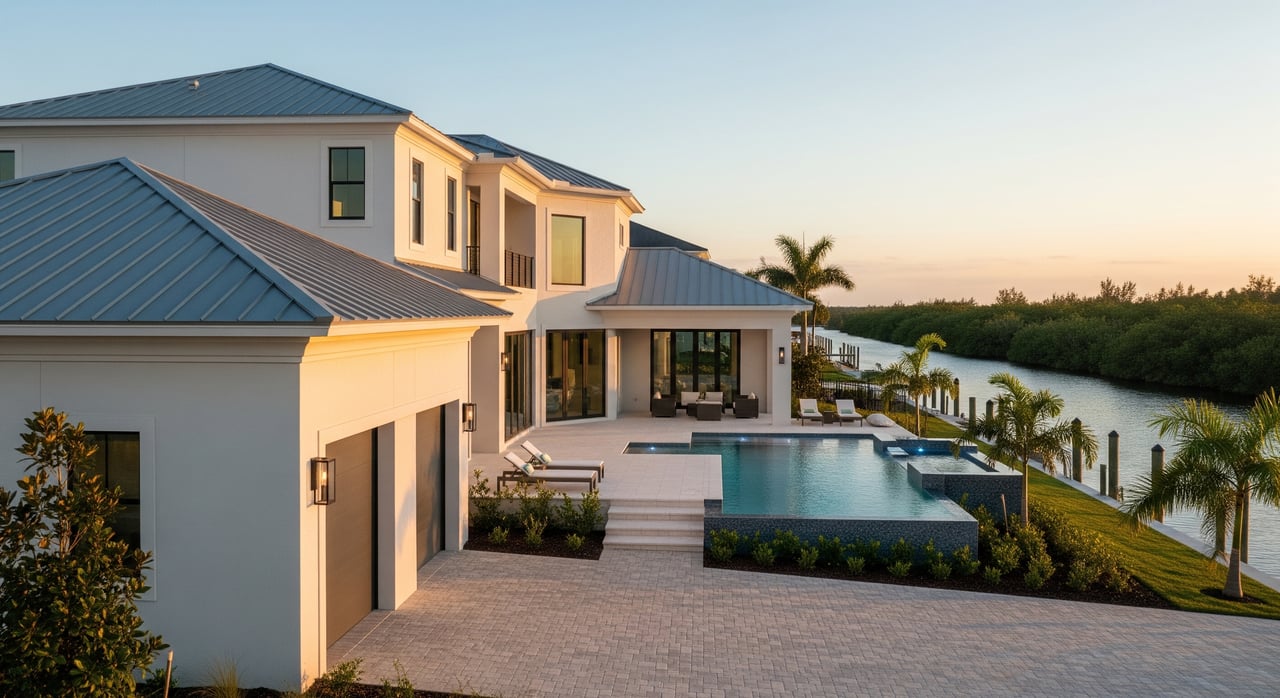
Trying to decide between a brand-new home and a resale in Wild Blue? You are not alone. Both paths can work well, but the true differences show up in your final cost and how quickly you can move in. In this guide, you will see a clear, side-by-side look at costs, timelines, inspections, and what to verify locally so you can buy with confidence. Let’s dive in.
Wild Blue new vs resale at a glance
- New construction: best if you want customization, new-code construction, and warranty coverage. Expect more moving pieces around upgrades, lot selection, permitting, and timing.
- Resale: best if you want faster occupancy, more negotiation room, and a clear picture of historical utility and maintenance. Expect less customization and possible near-term repairs.
Total cost breakdown
New construction cost drivers
New-build pricing in master-planned communities is built from several layers. You start with the base price for the model, then add a lot premium. Premiums often reflect view, orientation, and location within the community. Ask for the current lot premium schedule and recent comparable lot sales.
Options and upgrades can add up quickly. Kitchens, flooring, appliances, trim, lighting, landscaping, irrigation, and window coverings are common budget movers. Builders often channel selections through a design center, which can carry higher markups than retail.
Sales incentives can offset some costs. These might include closing cost help, appliance allowances, or rate incentives with a preferred lender. Compare the all-in math since incentives sometimes come with price or lender requirements.
Financing can differ from a standard mortgage. Some new builds use construction-to-permanent loans or a builder’s financing package with different fees, rate-lock rules, and appraisal approaches. Clarify appraisal method for lot plus completed value and ask about any required title or escrow partners.
Resale price and concessions
Resale pricing starts with the list price, then moves to negotiation. If a home has been on the market for a while or if market conditions soften, you may see more flexibility. Inspection findings also tend to produce seller credits or repair agreements that lower your out-of-pocket at closing.
With resale, upgrades are not line items. Instead, you may budget for post-close renovations. The upside is control over contractor selection and timing. The tradeoff is doing the work after you own the home.
Transactional and closing costs
Appraisals and lender fees apply in both cases. New-construction appraisals can be more complex and may require additional documentation. Title and closing fees are often similar across new and resale, though some builders request a particular title company. Ask whether permit or impact fees are included in your price or passed through as separate costs.
Timeline and move-in risk
Typical resale timing
Most resale purchases close in 30 to 60 days with financing, and cash deals can be faster. Your main timing variables are inspection and repair negotiations, loan underwriting, appraisal, and title work. This is usually the safer choice if you must move by a fixed date.
Typical new-build timing
New construction varies widely by whether the home is a to-be-built plan or an inventory/spec home. Spec homes can be ready in weeks to a few months. A to-be-built home commonly takes 4 to 12+ months, depending on permitting, materials, labor, and change orders.
Common new-build milestones:
- Lot selection and contract
- Permitting and site prep
- Foundation and framing with inspections
- Rough mechanicals and a pre-drywall check
- Insulation, drywall, and interior finishes
- Final inspections and certificate of occupancy
- Final walkthrough and closing
Florida’s wind-load standards and local reviews add steps. To understand current timelines and requirements, review guidance from the Lee County Building Division. If your lot is in a mapped flood zone, additional drainage or elevation details can affect plan review.
Common delays in Lee County
Heavy rain and hurricane season can slow progress. Material lead times for windows, cabinets, and HVAC equipment can also shift. Labor bottlenecks, holiday slowdowns, and final utility hookups are frequent reasons for schedule changes. Put clear completion windows and remedies in your contract so expectations are set early.
Inspections and warranties
New construction inspections
Municipal inspections confirm code compliance at key stages, but they are not a substitute for independent inspections. Consider the following schedule with an experienced Florida new-construction inspector:
- Pre-pour or foundation check
- Pre-drywall inspection after rough mechanicals
- Final inspection before closing to finalize the punch list
- A follow-up around month 11 to capture items under the 1-year warranty
Document issues with photos and submit them through the builder’s process. Confirm whether the builder shares municipal inspection reports.
Builder warranty norms
Typical frameworks include a 1-year limited warranty for workmanship, 2 to 3 years for systems such as plumbing, electrical, and HVAC, and about 10 years for major structural components. Exact terms, exclusions, and transferability vary by builder and contract. Ask who backs the structural coverage and how claims are handled.
Resale inspections
Resale inspections are your leverage for price or repair credits. You will still want specialized checks for roofing, HVAC, plumbing, and electrical systems, plus wind mitigation features common in Florida. The difference is timing. With resale, you address issues before closing rather than placing them in a post-close warranty queue.
Carrying and interim costs
If you build, you may face carrying costs before you move in. These can include interest on construction draws, prorated property taxes, and possibly builder’s risk insurance. After closing, you will switch to a homeowner’s policy that covers wind and may include flood insurance if required by your lender.
Use FEMA’s tool to confirm the lot’s flood zone. The FEMA Flood Map Service Center helps you identify whether flood insurance will be required and informs expected cost. If HOA dues begin at lot closing or at a certain construction stage, factor that into your budget. Also plan for potential dual housing costs if you carry a current mortgage or rent while you wait.
Lot, HOA, and value considerations
Lot placement influences long-term value. Orientation, view, proximity to amenities, and traffic patterns all play a role. Premium views often come with higher upfront costs, though preferences vary by buyer.
HOA rules and design covenants affect lifestyle and resale. Review rental policies, pet rules, exterior maintenance standards, and fee schedules. Ask for reserve studies and recent meeting minutes to gauge financial health and any planned assessments. If the community is phasing amenities, clarify when access is available.
For due diligence, review parcel history and assessments with the Lee County Property Appraiser. This helps confirm lot details, prior transactions, and tax context.
Who benefits from each option
- Choose new construction if you want tailored finishes, extended warranty coverage, and modern energy and wind-mitigation features and you can accept a flexible timeline.
- Choose resale if you need to move quickly, want negotiation room, and prefer transparency from historical utility, tax, and maintenance records.
Your risk tolerance matters. If schedule changes cause stress or budget strain, resale may be the safer bet. If you value customization and can bridge the time, a new build can be a rewarding fit.
Decision checklist for Wild Blue buyers
Questions for the builder
- What is the current build timeline for this plan and lot type?
- What is the lot premium schedule, and can you share recent comparable lot sales?
- What are standard features versus upgrades, and are design center prices locked at contract?
- What are the warranty terms, transferability, and claim process?
- How are change orders priced and approved?
- When do HOA dues begin, and are any special assessments planned?
- Will you share municipal inspection reports and punch-list procedures?
Questions for the HOA or developer
- Can you provide CC&Rs, rules, budgets, reserve study, and recent meeting minutes?
- What are rental restrictions and assessment procedures?
- Are there any pending litigation items or developer-control terms that may change soon?
Questions for your lender
- Should I use a construction-to-permanent loan or an end loan? What are the fees and rate-lock rules?
- Are there incentives with a preferred lender, and what is the true total cost?
- How will you treat debt-to-income if I keep my current home during construction?
Questions for your inspector
- What is your experience with Florida new construction, including wind mitigation and roof attachments?
- Which inspection stages do you recommend and what are the costs?
Documents and records to review
- Builder contract, plan set, specifications, build schedule, and change order policy
- Warranty documents with coverage and exclusions
- HOA governing documents and reserve details
- Parcel history and assessments from the Lee County Property Appraiser
- Permitting and inspection guidance from the Lee County Building Division
- Flood zone status via the FEMA Flood Map Service Center
- Builder license verification through the Florida Department of Business and Professional Regulation
Your next step
You deserve a clear view of both options before you commit. If you want a tailored, local plan for Wild Blue that fits your timeline and budget, reach out to an advisor who lives this market every day. Connect with Casey Lyons, P.A. to compare new construction and resale choices, map your verification steps, and move forward with confidence.
FAQs
What are the biggest cost surprises with new construction in Wild Blue?
- Lot premiums and design center upgrades can exceed early estimates. Ask for a detailed inclusions list, the lot premium schedule, and written upgrade pricing at contract.
How long does a new build usually take in Lee County?
- To-be-built homes often run 4 to 12+ months. Timelines depend on permitting, labor, materials, and weather. Inventory homes may be ready in weeks to a few months.
How fast can I close on a resale home in Wild Blue?
- Many financed resale purchases close in 30 to 60 days. Cash deals can be faster if title, inspection, and appraisal steps move quickly.
Do I need independent inspections on a new home?
- Yes. Municipal checks confirm code, but independent inspections at pre-pour, pre-drywall, final, and around month 11 help protect your investment and streamline warranty claims.
How do I check flood risk for a specific lot in Wild Blue?
- Use the FEMA Flood Map Service Center to identify the lot’s flood zone, then consult your insurer and lender about potential flood insurance requirements and costs.