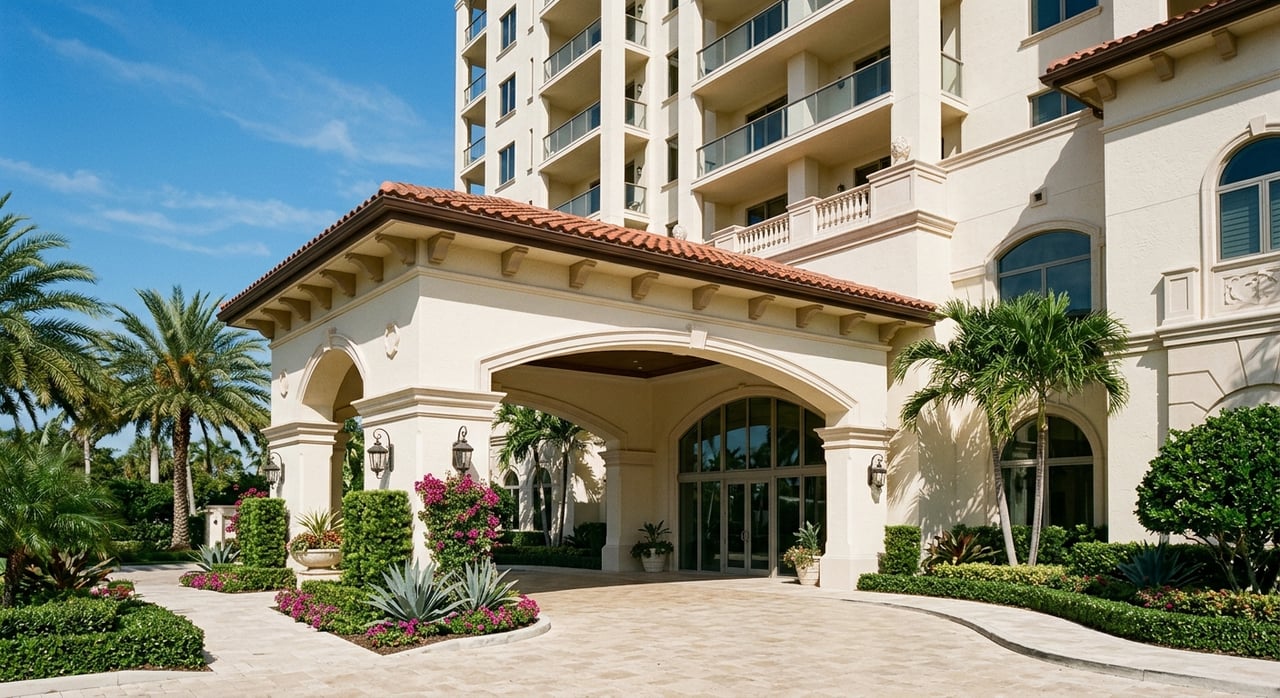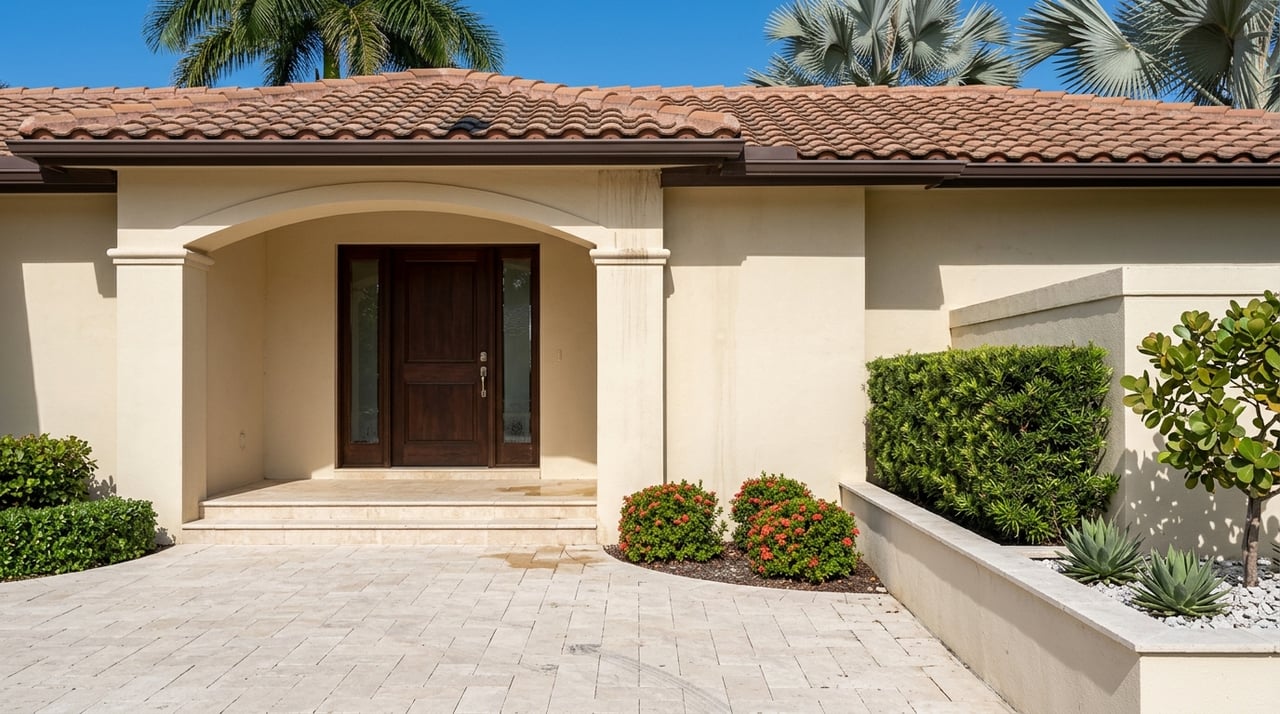
Buying your first home in The Brooks can feel exciting and a little complicated at the same time. You are not just choosing a home. You are also learning how financing, inspections, insurance, and association rules can shape the process in this part of Southwest Florida. This guide walks you through each step so you can move forward with more clarity and fewer surprises. Let’s dive in.
Understand The Brooks First
The Brooks is best understood as a collection of association-governed neighborhoods in southern Lee County, east of US 41, south of Williams Road, west of I-75, and within the Village of Estero. It is not a single uniform subdivision with one set of rules across every property type.
That matters if you are buying for the first time. Your dues, approval steps, maintenance responsibilities, and document package can vary depending on the village and whether the home is fee-simple, a villa, or a condo.
The Brooks and Brooks II Community Development Districts were created to plan, finance, operate, and maintain communitywide infrastructure such as roads, stormwater systems, street lighting, and landscaping. Because the district also references a master stormwater system with lakes that help provide flood protection, you should ask early about drainage, exterior maintenance, and insurance requirements.
Set Your Real Budget
Before you start touring homes, build a budget that goes beyond the purchase price. In The Brooks, a practical monthly housing budget may include your mortgage payment, property taxes, homeowners insurance, flood insurance if required, HOA or condo dues, and any CDD assessment.
This step is especially important for first-time buyers because association-governed communities can have layered costs. A home that looks affordable at first glance may feel very different once all recurring expenses are on paper.
A simple way to stay grounded is to list your expected costs in two groups:
- Upfront costs: down payment, closing costs, prepaid taxes and insurance, inspection costs, and possible association transfer or resale fees
- Ongoing costs: mortgage, taxes, homeowners insurance, flood insurance if required, HOA or condo dues, and CDD-related charges
Compare Loan Options Carefully
If you plan to finance your purchase, get at least three written loan offers and compare the Loan Estimates side by side. Focus on the total loan costs, not just the interest rate.
This can make a meaningful difference in your long-term budget. A slightly lower rate does not always mean a lower overall cost if fees are higher somewhere else in the loan structure.
You should also ask about rate lock timing. Common rate lock windows are 30, 45, or 60 days, so you want a lock period that fits your inspection timeline, underwriting progress, association document review, and closing date.
Explore Florida Buyer Assistance
Some first-time buyers in Florida may qualify for help through Florida Housing programs offered through participating lenders. These programs can include first-mortgage options and down payment or closing-cost assistance structured as a second mortgage.
If you are looking into Hometown Heroes, treat it as a program to verify, not a guaranteed source of funds. Florida Housing announced on February 28, 2026, that all available funding for the 2025-2026 fiscal year had been committed, so availability should be confirmed directly with a participating lender.
One more note for your protection: Florida Housing warns there is no cost to apply. Be cautious if anyone asks you to pay upfront fees to access a program.
Get Clear on Property Type Early
In The Brooks, one of the most important early questions is what type of property you are buying. That one detail can affect your paperwork, your approval timeline, and even your cancellation rights.
For example, a condo purchase can involve a broader document package than an HOA-governed home. A villa or fee-simple property may follow a different path depending on the governing association.
Ask these questions before or as soon as you make an offer:
- Is the home governed by an HOA, a condo association, or multiple associations?
- Is board approval required for the transfer?
- Is there a right of first refusal?
- What are the current dues and any transfer or resale fees?
- Are there any open violations tied to the property?
Write a Smart Offer
Once you find the right home, your offer should protect your timeline and your ability to review key information. For first-time buyers, this is where good planning can lower stress later.
If your contract is contingent on inspection, you may be able to cancel without penalty if you are not satisfied with the results. That makes the inspection period one of your most important safeguards.
You should also request association paperwork as soon as the contract is accepted. In a community structure like The Brooks, that can help you understand approvals, extra fees, and any additional associations connected to the property before you get too close to closing.
Review Association Documents Promptly
Florida law gives buyers important rights, but the timing depends on whether the property is HOA-governed or condo-governed. That is why you should review association documents right away instead of waiting until the last week.
For HOA transactions under Chapter 720, a missing HOA disclosure summary can make the contract voidable, with a 3-day cancellation window after you receive the summary or before closing, whichever comes first. For condo transactions under Chapter 718, buyers are entitled to a broader set of materials, and in applicable cases the review timeline can be longer.
Condo materials can include the declaration, bylaws, rules, budget, annual financials, and when applicable, milestone inspection and structural integrity reserve study materials. If you are buying a condo, these documents deserve close attention because they can affect your costs, future planning, and comfort with the property.
Use the Estoppel Certificate to Your Advantage
One of the most useful closing documents in Florida is the estoppel certificate. It helps confirm the financial and procedural details you need to understand before closing.
The estoppel certificate must show items such as assessments, transfer or resale fees, open violations, whether board approval is required, whether there is a right of first refusal, and the list of other associations tied to the parcel or unit. In a community with multiple neighborhoods and associations, this document can help you spot extra layers that may not be obvious at first.
Florida law requires HOA and condo estoppel certificates to be provided within 10 business days of request. The law also caps many estoppel fees, and if the association misses the 10-business-day deadline, no estoppel fee may be charged.
Schedule Inspection and Appraisal
Your home inspection and appraisal serve different purposes, and both matter. The inspector looks at the property’s condition, while the appraiser estimates market value for the lender.
Try to complete the inspection before you are fully committed to the home. This gives you time to understand repair issues, ask follow-up questions, and decide whether to move forward under the terms of your contract.
In The Brooks, it is also smart to pay extra attention to items tied to Southwest Florida ownership, such as exterior maintenance responsibilities, roof condition, drainage patterns, and any signs of water-related issues. Because the district includes a master stormwater system and lakes, practical questions about runoff, maintenance, and insurance are worth asking early.
Verify Flood Zone and Insurance Needs
Flood review should happen early, not days before closing. In Southwest Florida, this can affect both your monthly payment and your closing preparation.
FEMA states that Special Flood Hazard Areas are mapped high-risk flood zones where flood insurance is mandatory for federally backed financing. Even if a property benefits from community stormwater infrastructure, you still want to verify the flood zone and insurance requirement for the specific home you are buying.
This step can help you avoid last-minute surprises with lender conditions or monthly payment changes. It also gives you more time to compare insurance options and understand what is required.
Prepare for Closing Day
As your closing date gets closer, your lender should provide the Closing Disclosure at least three business days before closing. Review it carefully and compare it to your earlier loan estimates so you understand any changes.
Pay close attention to cash to close, title and settlement charges, property taxes, homeowners insurance, and flood insurance if required. Most lenders require lender’s title insurance, and buyers may also choose owner’s title insurance to help protect their investment.
Before signing, complete a final walk-through. This is your chance to confirm that agreed repairs were completed and that included items are still in place.
Know Your Timing Windows
A first home purchase often feels like a straight line, but in reality the timeline has moving parts. In The Brooks, two of the biggest timing factors are your rate lock window and your association document review period.
If association materials arrive later than expected, your closing timeline may need to adjust. In Florida, buyers may be able to extend closing by up to 3 business days in HOA transactions or 15 business days in condo transactions after receipt of the applicable disclosure materials, if requested in writing.
That is one more reason to request documents early and track deadlines closely. A smooth closing usually comes from good timing, not luck.
File for Homestead After Closing
If the home will be your permanent residence, do not forget your post-closing tax step. In Lee County, you must apply for homestead exemption, and the exemption is not retroactive.
The deadline is March 1. If you are moving from another Florida homestead, portability of the Save Our Homes benefit must also be filed separately.
This is an easy item to overlook during a move, but it can affect your future tax bill. Put it on your calendar as soon as you close.
Buying your first Florida home in The Brooks comes with a few extra layers, but that does not have to make the process overwhelming. When you understand the property type, budget for the full cost of ownership, review association documents early, and stay on top of insurance and closing deadlines, you can make confident decisions from start to finish. If you want local guidance tailored to The Brooks and the wider Southwest Florida market, connect with Casey Lyons, P.A..
FAQs
What should first-time buyers know about The Brooks in Florida?
- The Brooks is a collection of association-governed neighborhoods, not one uniform subdivision, so dues, rules, approval steps, and required documents can vary by property type and village.
What costs should first-time buyers budget for in The Brooks?
- Your budget should include the down payment, closing costs, mortgage, property taxes, homeowners insurance, flood insurance if required, HOA or condo dues, and any CDD assessment.
What association documents matter when buying in The Brooks?
- Important documents can include HOA disclosures, condo documents such as budgets and rules, and the estoppel certificate showing assessments, fees, violations, approval requirements, and other associations tied to the property.
What does the estoppel certificate show for a Florida home purchase?
- In Florida, the estoppel certificate can show assessments, transfer or resale fees, open violations, whether board approval is required, whether there is a right of first refusal, and whether the property belongs to multiple associations.
When should buyers verify flood insurance for a home in The Brooks?
- You should verify the flood zone and any flood insurance requirement early in the transaction so you have time to understand lender requirements, compare costs, and avoid closing delays.
What should Lee County buyers do after closing on a primary home?
- If the home will be your permanent residence, apply for homestead exemption with the Lee County Property Appraiser by March 1, and file separately for portability if you are moving from another Florida homestead.